Irish Pub NYC Gatherings: Great Drinks and Better Conversations
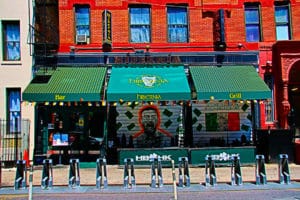
New York has no shortage of places to drink. It has grand hotel bars with polished brass, neighborhood wine spots with handwritten menus, cocktail dens where every cube of ice seems to have a backstory, and sports bars loud enough to rattle the pint glasses. Yet when the goal is not simply to have a drink, but to actually gather, settle in, and talk, the Irish pub keeps earning its place.
That distinction matters. Plenty of venues are designed for movement, display, or speed. An Irish Pub NYC regular will recognize offers something harder to manufacture: ease. People arrive from different boroughs, different jobs, different age groups, and somehow the room levels them out. One person orders a Guinness, another gets a whiskey neat, someone else sticks with club soda and lime, and none of it feels out of place. The best gatherings thrive in rooms where nobody has to perform.
A lot of that comes down to design, though not in the glossy hospitality sense. Traditional Irish pubs tend to value warmth over spectacle. Wood softens sound. Low, practical lighting lets faces come forward without making the room feel https://ameblo.jp/paxtonaawg714/entry-12978715899.html dim. The bar itself often acts as an anchor rather than a stage. Booths, nooks, and sturdy two tops give small groups privacy, while larger communal areas make it easy to pull up an extra chair when a friend texts that they are ten minutes away, then predictably arrives thirty minutes later. In New York, where space is expensive and comfort is often negotiated, that kind of generosity stands out.
Why the Irish pub works so well for gatherings
If you have spent enough evenings organizing meetups, birthday drinks, after-work decompression sessions, or casual reunions, you learn quickly that the best venue is rarely the trendiest one. It is the place with a forgiving layout, reliable service, sensible pricing, and enough atmosphere to carry the night without overwhelming it. Irish pubs often hit that balance better than almost any other category.
Conversation is the first test. Can four people hear each other without leaning in every thirty seconds? Can eight people stand near a high top without blocking a server lane and feeling guilty? Can a late arrival find the group without requiring an expedition and three confusing texts? The better Irish pubs pass these tests almost by instinct. They are built for social gravity.
There is also an emotional practicality to them. People know what they are getting. The menu is approachable. The beer list usually has a few dependable standards. The whiskey selection may be broad or modest, but it is almost always curated with some thought. Food, when done well, is not decorative. It is meant to sustain an evening, whether that means a plate of fish and chips, a shepherd’s pie, a burger, a bowl of stew, or simply fries to keep a round from landing too fast.
That last point matters more than many hosts admit. Gatherings derail when the setting pushes people into extremes. If the room is too loud, half the table gives up on conversation. If the drinks are too precious, people either overspend or start counting every round. If there is no real food, the night can tilt from relaxed to messy before anyone notices. A good Irish Pub NYC destination tends to guard against those problems.
The atmosphere is social, not theatrical
Hospitality trends often confuse energy with noise. They also confuse style with comfort. Irish pubs, especially the ones that have lasted, usually resist both mistakes. Their atmosphere is active, but it does not demand attention every second. That makes them unusually good for gatherings where the point is the company rather than the room.
You can see this in how conversations unfold. At a sleek cocktail bar, people often begin by reacting to the menu, the interior, or the ritual of the drinks. At an Irish pub, the conversation more quickly becomes about life outside the bar. Work stories surface. Family news gets shared. Old jokes come back. Someone mentions a trip, a promotion, a bad landlord, a school decision, a breakup, or an engagement. The venue recedes just enough for the people to come forward.
There is a real craft to that kind of environment. The bartenders and servers in established pubs often know how to read a room without making a show of it. They understand when a table wants to linger, when a group needs another water round, when to ask if anyone wants food, and when to leave the conversation undisturbed. That skill is easy to overlook because it feels effortless when done well. It is not effortless at all.
I have seen the difference in group settings where the guest list is mixed. Those are often the hardest gatherings to pull off. Work friends meeting college friends, siblings meeting a partner’s circle, neighborhood regulars meeting out-of-town visitors. In highly stylized spaces, people tend to break into smaller, familiar units. In a pub with steady service and an unpretentious rhythm, those groups blend more naturally. A shared plate lands. A second round arrives. The room gives people enough ease to cross social lines.
Great drinks matter, but reliability matters more
No serious discussion of Irish pubs should pretend the drinks are secondary. They are not. A properly poured stout, a balanced Irish coffee, and a whiskey list with both accessible and interesting bottles contribute meaningfully to the experience. But for gatherings, reliability beats novelty nearly every time.
The classic example is Guinness. People talk about the pour for good reason. Temperature, clean lines, fresh stock, and patient settling all shape the final pint. A bad Guinness is flat or tired. A good one is creamy without heaviness, cool but not stripped of flavor, and served with confidence rather than ceremony. In New York, where volume and turnover vary wildly from one neighborhood to the next, consistency becomes a marker of whether a pub takes its identity seriously.
Whiskey deserves similar respect. An Irish pub does not need hundreds of labels to be credible, but it should offer more than the most obvious names if it wants to serve both casual drinkers and enthusiasts. The sweet spot is a list that welcomes someone ordering their first Irish whiskey while still giving an experienced drinker a reason to look twice. Staff knowledge helps here. A quick, informed recommendation can turn a standard order into a memorable one without making the guest feel tested.
Then there are the drinks that often determine whether a group stays for one round or three: lagers that taste fresh, ciders that are not syrupy, simple highballs made correctly, wine options that do not feel like an afterthought, and nonalcoholic choices that go beyond a token soda. Inclusive drinking is no longer a niche concern, and smart pubs understand it. A guest skipping alcohol for the evening still wants to feel fully part of the ritual.
Food is not a side issue
One of the quiet strengths of the Irish pub format is that it respects the role of food in a social night out. Not every gathering needs a full dinner, but very few benefit from ignoring hunger. Food slows the pace, expands the visit, and gives a group something to share beyond stories.
There is a reason pub staples remain staples. They are engineered through experience rather than trend. Crispy fish and chips work because they satisfy without requiring delicate timing from the diner. A shepherd’s pie or beef stew brings warmth and substance, particularly during New York’s colder months when even a short walk between subway and bar can leave people wanting something restorative. Burgers, sandwiches, and fries create a middle ground for mixed appetites. Someone can have a full meal while someone else nibbles and keeps talking.
A practical host pays attention to menus before choosing a venue. Dietary restrictions do not have to dominate the plan, but they do need consideration. The better pubs have figured out that a gathering can include a vegetarian, someone avoiding gluten, a person who wants a proper meal, and another who just wants a snack with a pint. That flexibility reduces friction. It also keeps the group together instead of sending half the party elsewhere after the first drink.
Picking the right pub for the right kind of night
Not every Irish pub serves the same purpose, and that is part of the appeal. Some are built around neighborhood regulars and a lived-in atmosphere. Others lean polished and central, ideal for groups coming in from multiple parts of the city. Some are lively enough for celebration. Others are best for actual conversation, the sort that stretches over two or three rounds and leaves everyone feeling they got more than a night out.
The main variables are volume, seating, transit access, and service style. A pub near major train lines might be easier for logistics, but it may also attract a fast-turnover crowd, especially on Thursdays and Fridays. A quieter spot deeper into a neighborhood may reward the extra trip with better pacing and more room to settle in. Timing changes everything as well. The same pub can feel perfect at 6:00 p.m. And impossible at 8:30 p.m.
For hosts trying to avoid common mistakes, a few principles are worth remembering:
- Choose a place where people can hear one another by the second round, not just when they arrive.
- Check whether the kitchen stays open long enough for latecomers to eat.
- If your group may grow, favor pubs with flexible seating over tightly packed dining rooms.
- Ask yourself whether the location is fair to the whole group, not just convenient for the organizer.
- When possible, arrive early and claim space before peak traffic changes the room.
That is not glamorous advice, but it is the difference between a gathering that clicks and one that spends half the night improvising.
New York changes the pub experience in useful ways
An Irish pub in New York is never just an imported idea. The city changes it. Sometimes that means a narrower footprint, a busier bar rail, a denser crowd after work, or a more eclectic mix of patrons than you might find in smaller cities. It also means the pub becomes a meeting ground for people whose lives otherwise move on separate tracks.
On any given evening, you may find finance workers loosening their ties near teachers finishing parent conference week, tourists comparing notes with theater staff after curtain, young couples on third dates next to retirees who have been ordering from the same bartender for years. That blend gives the good rooms their charge. It is not simply diversity as a talking point. It is the practical coexistence of many kinds of New York life under one roof.
The city also encourages a broader understanding of what a pub can be. Some places honor tradition closely through music, menu, woodwork, and drink program. Others borrow the warmth and communal logic of an Irish pub while adapting the details to a New York clientele. The strongest venues know where to be faithful and where to be flexible. They do not chase authenticity as costume. They build trust through consistency, welcome, and craft.
Better conversations happen when the setting lowers the stakes
There is a reason people often open up more easily in a pub than in a restaurant that feels formal or a bar that feels transactional. The pub lowers the stakes without lowering the standard. You can have a serious conversation there without making the setting serious. That distinction is powerful.
I have watched work relationships soften in these environments. The colleague who seems clipped in the office becomes funny and reflective over a pint. The friend who rarely talks about family mentions an ailing parent while splitting chips at the table. A cousin visiting from out of town suddenly tells the story behind a career change that had been reduced to two vague sentences in the family group chat. None of these exchanges happen because the room works magic. They happen because the room removes enough friction for honesty to show up.
That is one of the underappreciated strengths of the Irish Pub NYC scene. It supports occasions with emotional range. You can celebrate a promotion there, yes, but you can also mark a loss, reconnect after years apart, or simply have the kind of Thursday night catch-up that keeps friendships from thinning out. The room can hold cheer without requiring performance, and that balance is rare.
What regulars notice that first-timers often miss
First-time visitors usually notice the obvious things: dark wood, poured pints, football on a screen, packed tables, maybe a bit of music. Regulars notice the operating details that tell them whether a pub is worth returning to for gatherings.
Glassware is one clue. Clean glasses are not a flourish, they are baseline professionalism. Pacing is another. In a good pub, service feels attentive without becoming intrusive. The music matters too. When the soundtrack fills dead air but does not dominate the table, management is paying attention. Bathroom upkeep, coat storage in winter, and whether staff can split or manage a large bill without drama all become surprisingly important once you have hosted enough groups.
The strongest pubs also understand that hospitality is cumulative. A warm welcome at the door, quick acknowledgment at the bar, and a server who remembers to bring the extra mustard or the side plate all contribute to whether guests relax. These are small acts, but gatherings are built on small acts. People return to places that make spending time together feel easy.
When the room gets loud, the best pubs still hold the line
No honest piece about NYC gatherings should pretend every pub is a haven of perfect acoustics and unbroken charm. Crowds surge. Music gets turned up. A televised match changes the whole tempo. Holiday weeks create standing-room-only conditions that make planned conversations nearly impossible. The point is not that Irish pubs are immune to these pressures. It is that the good ones remain functional even under strain.
Part of that resilience comes from staff experience. Veteran bartenders know how to keep orders moving without losing warmth. Floor staff in busy pubs develop a sixth sense for circulation, helping people navigate packed rooms without confrontation. Managers who know their trade can calibrate music, rearrange floor flow, and communicate wait times with enough honesty to keep frustrations low.
Hosts also need judgment. If the point of the gathering is deep conversation, avoid major sports nights unless your whole group wants that atmosphere. If several guests are older, hearing-sensitive, or simply tired from long workdays, choose an earlier hour. If the gathering includes people meeting for the first time, do not force them into a corner by the speakers and hope personality will overcome acoustics. Venue selection is part hospitality, part foresight.
The best nights are rarely overproduced
A memorable gathering does not need a private room, printed menus, or a complicated theme. More often, it needs a dependable place, decent seats, solid drinks, food that arrives hot, and enough time for the night to unfold naturally. That is where the Irish pub remains so useful, particularly in New York, where people crave genuine connection but often live on overstuffed schedules.
The best nights usually have a simple shape. A few people arrive early and start with pints. Others drift in from trains, offices, babysitters, and crosstown traffic. The first round loosens everyone up. Somebody orders fries for the table, then someone else adds another plate because they are better than expected. Stories pick up. A friend who said they could only stay for one drink stays for two. The bartender catches the shift and asks, with good timing, whether the group wants another round. Suddenly it is later than anyone planned, but nobody minds.
That is not accidental. It happens because certain places understand what gathering really asks of a room. It asks for welcome without fuss, quality without showing off, and enough steadiness that people can stop managing the evening and simply enjoy one another.
For all the variety in New York nightlife, that remains the enduring promise of a well-run Irish pub. Great drinks bring people through the door. Better conversations give them a reason to come back.
Hibernia Bar
401 W 50th St
New York, NY 10019, United States
Phone: +1 212-969-9703
FAQ About Irish Pub NYC
What is the best Irish pub in NYC?
The best choice depends on your location and preferred atmosphere. Hibernia Bar is a neighborhood Irish pub in Hell's Kitchen offering Guinness, Irish whiskey, pub food, and sports viewing.
Where do Irish people go in NYC?
New York's Irish community gathers in many neighborhoods and venues. Hibernia Bar welcomes Irish expats, local residents, and visitors at 401 W 50th St, just off Ninth Avenue.
Where can I watch GAA games in New York?
Hibernia Bar lists GAA among the sports it shows. Call +1 212-969-9703 to confirm coverage and opening times for a particular match before visiting.
What is the difference between a bar and a sports bar?
A sports bar emphasizes televised games and a shared viewing atmosphere. Hibernia combines sports viewing with the food, drinks, and hospitality of a neighborhood Irish pub.